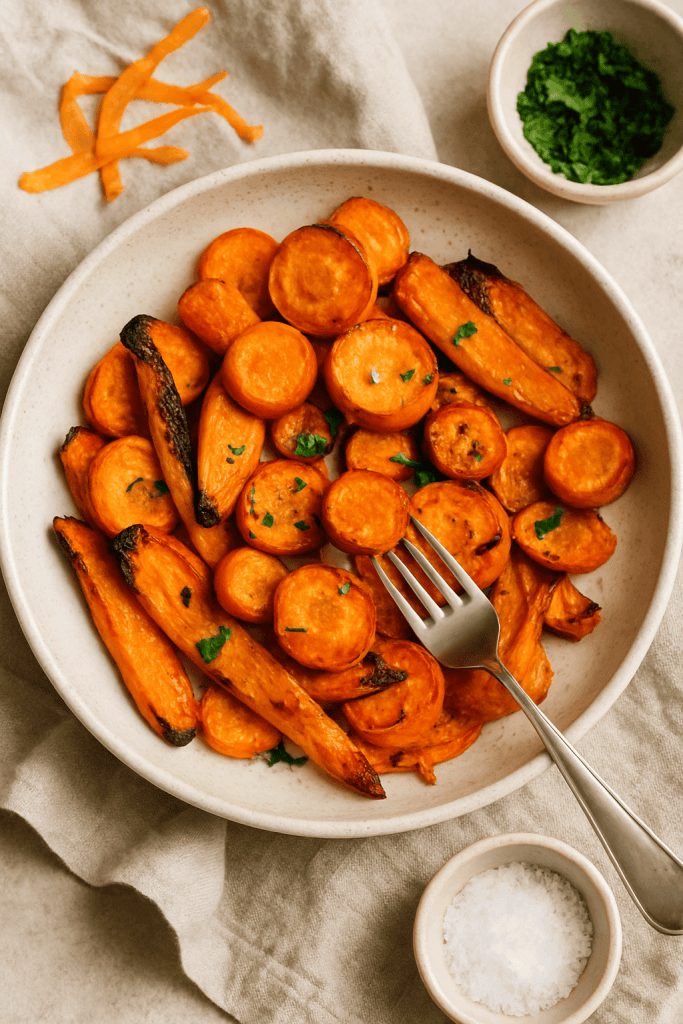
Carrots often don’t get the credit they deserve in everyday cooking. With their natural sweetness, satisfying crunch, and incredible versatility, they find their way into dishes ranging from hearty soups and fresh salads to even desserts like cakes and muffins. Yet, despite their simplicity, home cooks make a surprising number of mistakes when working with them. Let’s explore some of the most frequent carrot-related mistakes—and discover how a few smart tweaks can transform them into clever kitchen tricks that boost your culinary skills.
- Peeling Away the Flavor
Many people automatically peel carrots, but did you know the skin is where a lot of the earthy flavor lives? Unless your carrots are visibly dirty or have thick, fibrous skin, a good scrub is usually enough. This small shift can enhance your dishes with more natural sweetness and complexity. - Using Dull Knives
Chopping carrots with a dull knife isn’t just frustrating—it’s dangerous. Carrots are dense and can roll, especially when whole. A sharp knife allows for cleaner, safer cuts, and more consistent sizes, which is key for even cooking. - Cooking Them All the Same Way
Boiling, roasting, and steaming are not interchangeable. Boiling carrots tends to leach flavor, especially if they’re overcooked. Roasting, on the other hand, brings out their sugars and creates irresistible caramelization. When planning your cooking techniques, consider the final texture and flavor you want. - Skipping the Blanch for Salads
Want crunch and color in a salad? Blanch sliced or julienned carrots for 30 seconds in boiling water, then shock them in ice water. This brightens their hue and softens the bite just enough—an easy but often overlooked culinary tip. - Ignoring the Tops
If you’re lucky enough to buy carrots with their leafy greens intact, don’t toss them! Carrot tops can be used like parsley or blended into a zesty pesto. It’s a fantastic kitchen hack that reduces waste and adds a bold, herbal flavor to your cooking. - Overcooking
Overcooked carrots turn mushy and lose their vibrant color. Whether sautéing or roasting, always test doneness by piercing with a fork. They should be tender with just a bit of resistance—think al dente but for vegetables.
Final Thought
Carrots are incredibly forgiving and flexible, which makes them the perfect playground for trying out new culinary tips. Avoiding these common mistakes doesn’t require expert training—just a little attention and a few thoughtful tweaks.
So next time you reach for a bunch of carrots, let them shine with smart cooking techniques and easy kitchen hacks. You’ll be surprised how much better your dishes can be with just a few small adjustments.